The packaging data problem nobody priced in
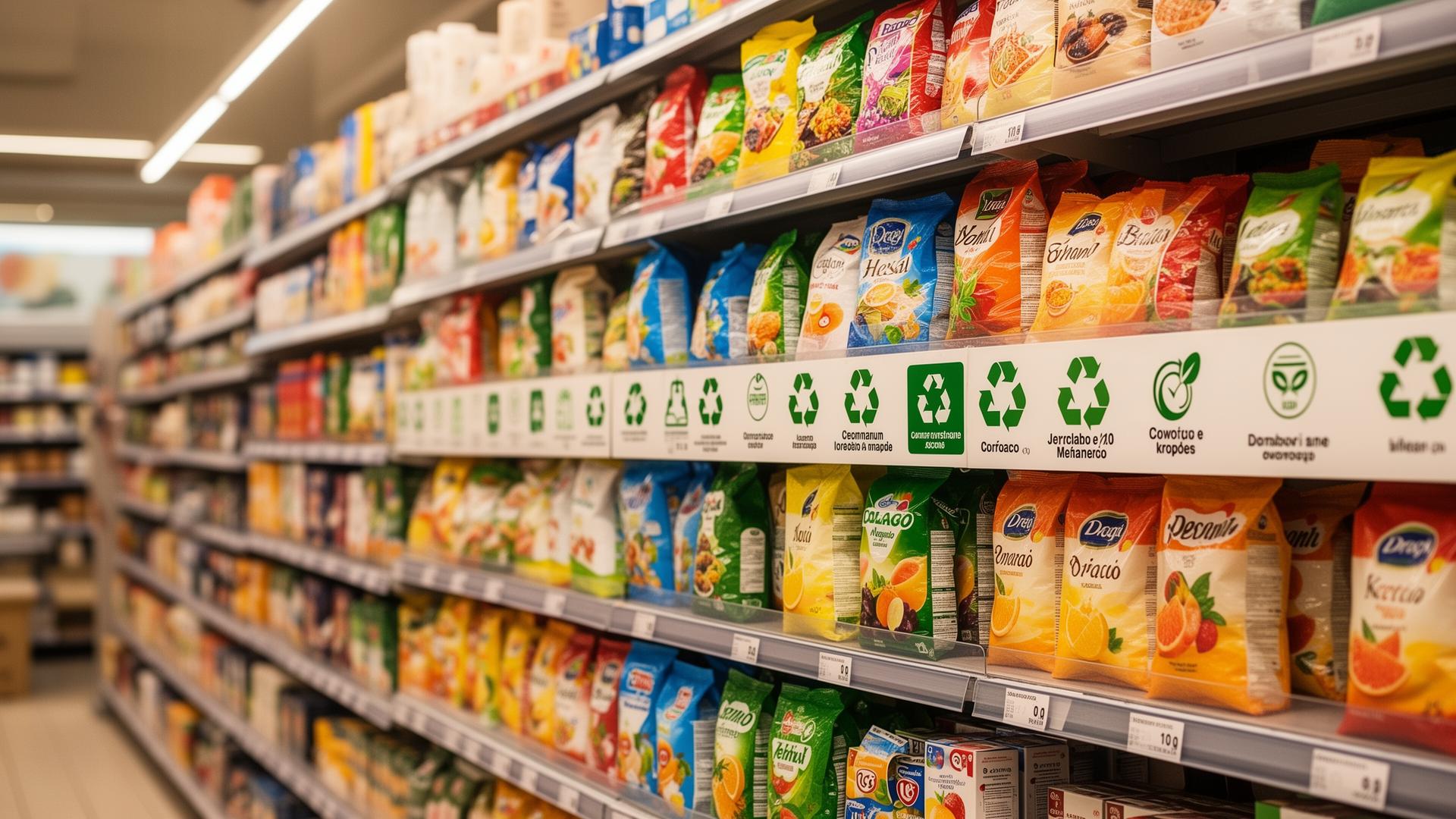
Three years ago, packaging compliance for a mid-sized CPG looked like a quarterly spreadsheet exercise. Today the same company is reporting into six US state EPR programmes, preparing for PPWR, responding to retailer recyclability scorecards, and explaining packaging carbon to its CSRD auditor — all from the same underlying SKU dataset that nobody owns end-to-end. The cost of that fragmentation, measured in analyst hours, late filings, and conservative fee estimates, has quietly become one of the largest hidden line items in sustainability operations.
This is the gap Packgine.ai was built to close. Rather than asking teams to re-enter the same packaging specifications into every state portal, every supplier survey, and every carbon model, Packgine treats packaging data as a controlled corporate asset — versioned, sourced, and reusable across every regulatory and commercial conversation it has to support.
We've spent the last year integrating Packgine into customer environments alongside gCurv's Carbon Management module, and the pattern is consistent: the moment packaging data becomes a single source of truth, the downstream reporting work compresses by an order of magnitude. The platform is not selling effort reduction; it's selling the structural change that makes effort reduction possible.
What Packgine.ai actually does
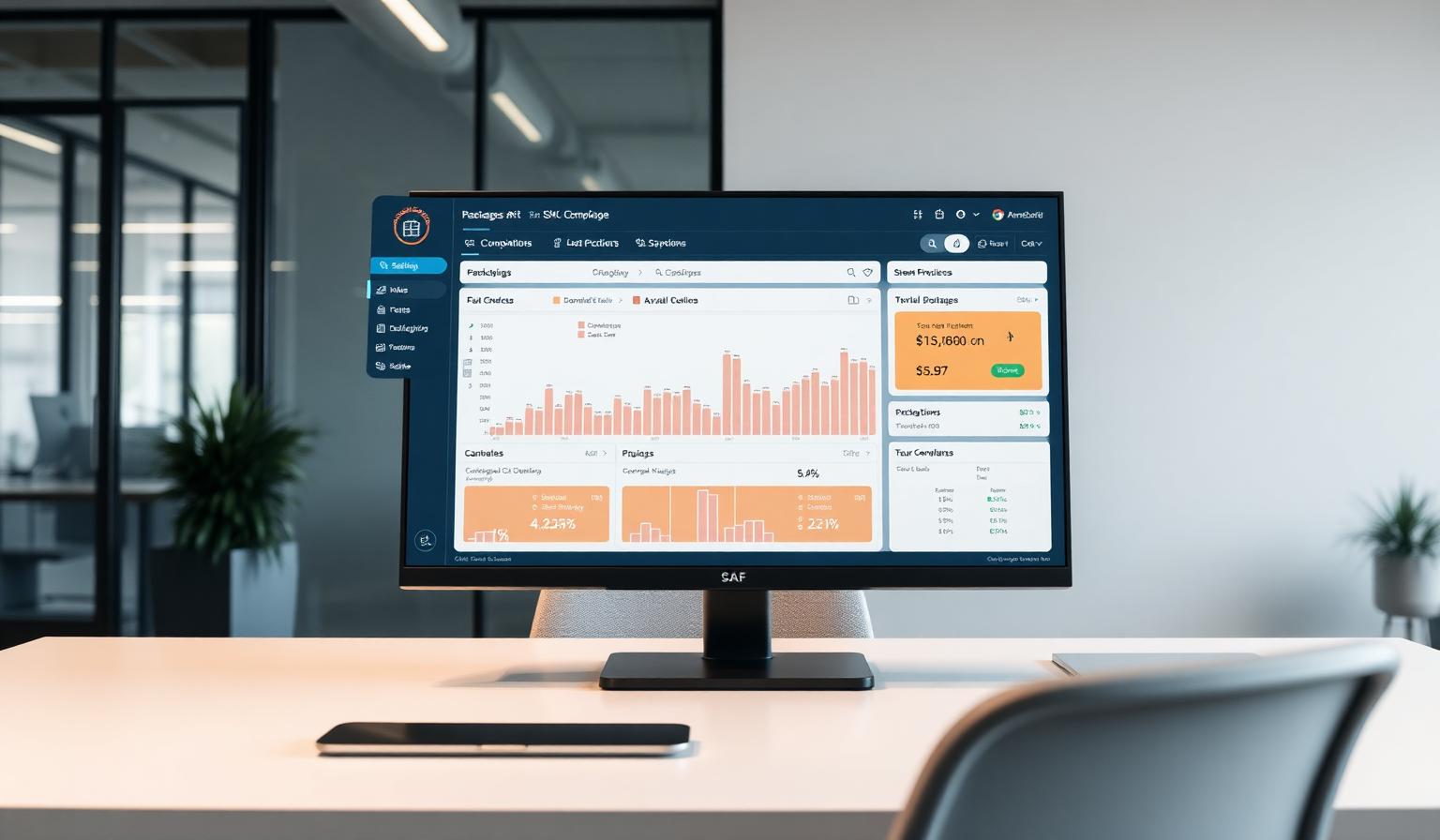
At its core, Packgine.ai is a packaging compliance operating system. It ingests SKU-level component data — material, weight, recyclability classification, supplier — and applies the rule sets of every applicable regulatory regime in parallel. The same record produces a Circular Action Alliance submission, an Oregon DEQ filing, a PPWR conformity dataset, and a recyclability label assertion under California SB 343.
The platform also runs the supplier collection workflow that most teams currently manage in email. Suppliers receive a structured request for the exact attributes a given SKU is missing, submit through a guided form, and the data flows back into the master record with a full provenance trail. The chase work that consumed entire quarters becomes a queue that one analyst can run in a few hours per week.
Recent customers have used Packgine to cut their first-year EPR fee estimates by 18–34% simply by replacing weight assumptions with verified weights, and by reclassifying components that were defaulted to non-recyclable in the absence of evidence. Those numbers compound every reporting cycle.
The market value: where the ROI shows up
The most visible ROI is fee accuracy. Eco-modulated EPR fees are paid per kilogram per material category, and the difference between an honest weight and a conservative estimate can be the difference between a six-figure and a seven-figure annual obligation. Packgine's verified-weight workflow alone has paid for the platform several times over for the producers we've worked with.
The second value pool is audit defensibility. When a state regulator or a CSRD auditor asks how a number was derived, Packgine produces the lineage in a single click — supplier, document, date, approver, factor version. That is the same standard finance has applied to revenue recognition for a century, finally arriving in packaging.
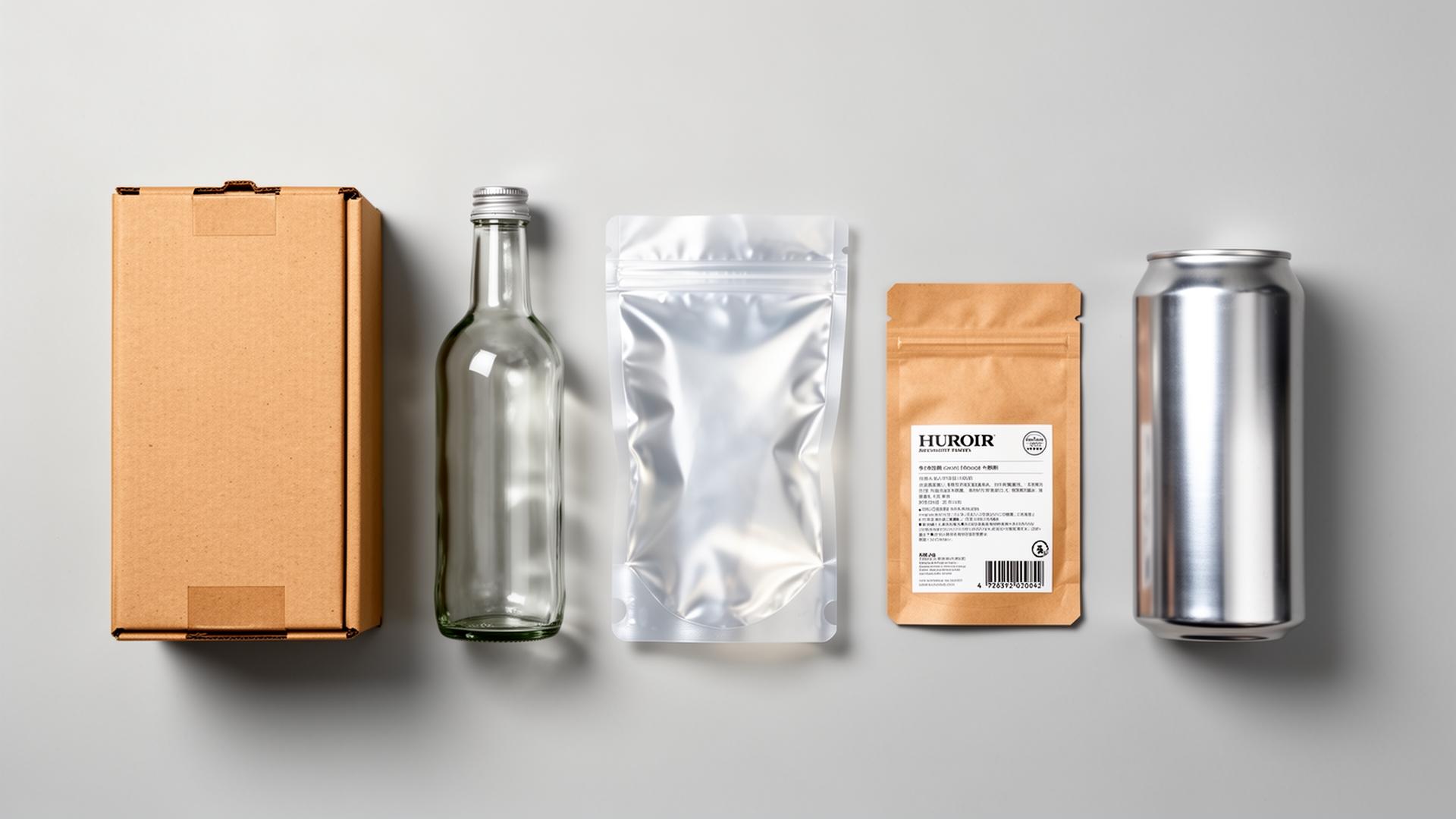
The third — and arguably largest — value pool is strategic. With clean SKU-level material data, redesign decisions stop being guesswork. A brand team can model the fee, carbon, and recyclability impact of switching a multilayer pouch to a mono-material structure before committing to a tooling change. That capability is what turns compliance from a cost centre into a margin lever.
How Packgine fits into the broader gCurv stack
Packaging data is not just a compliance artefact — it's a major Scope 3 input. The same component-level dataset that drives EPR fees also drives Category 1 (purchased goods) and Category 12 (end-of-life) emissions in the GHG Protocol. By sharing one master record between Packgine and gCurv's Carbon Management module, customers eliminate the reconciliation work between their packaging report and their climate report.
This integration is where Packgine's market value extends beyond standalone compliance software. It becomes part of a connected sustainability operating system, where every gram of polymer is simultaneously a fee, a carbon number, a recyclability claim, and a design decision — without the team ever entering it twice.
What to do this quarter
If you're still running EPR through spreadsheets, the highest-leverage move you can make this quarter is consolidating your SKU master data into one place. Whether you adopt Packgine or build internally, the structural fix is the same: one record per packaging component, with material, weight, supplier, and recyclability fields owned by named people on a defined cadence.
We're happy to walk through how Packgine.ai is being deployed alongside gCurv at producers facing the May 31 reporting wave. Reach out at sales@gcurv.com — we'll share the deployment patterns that are working and the ones that aren't.
Deeper dives on adjacent topics
We curate independent perspectives that complement this article. The links below point to detailed analyses on packgine.ai — a sister source for packaging compliance, EPR, PPWR, and circularity.