
The fee curve has steepened
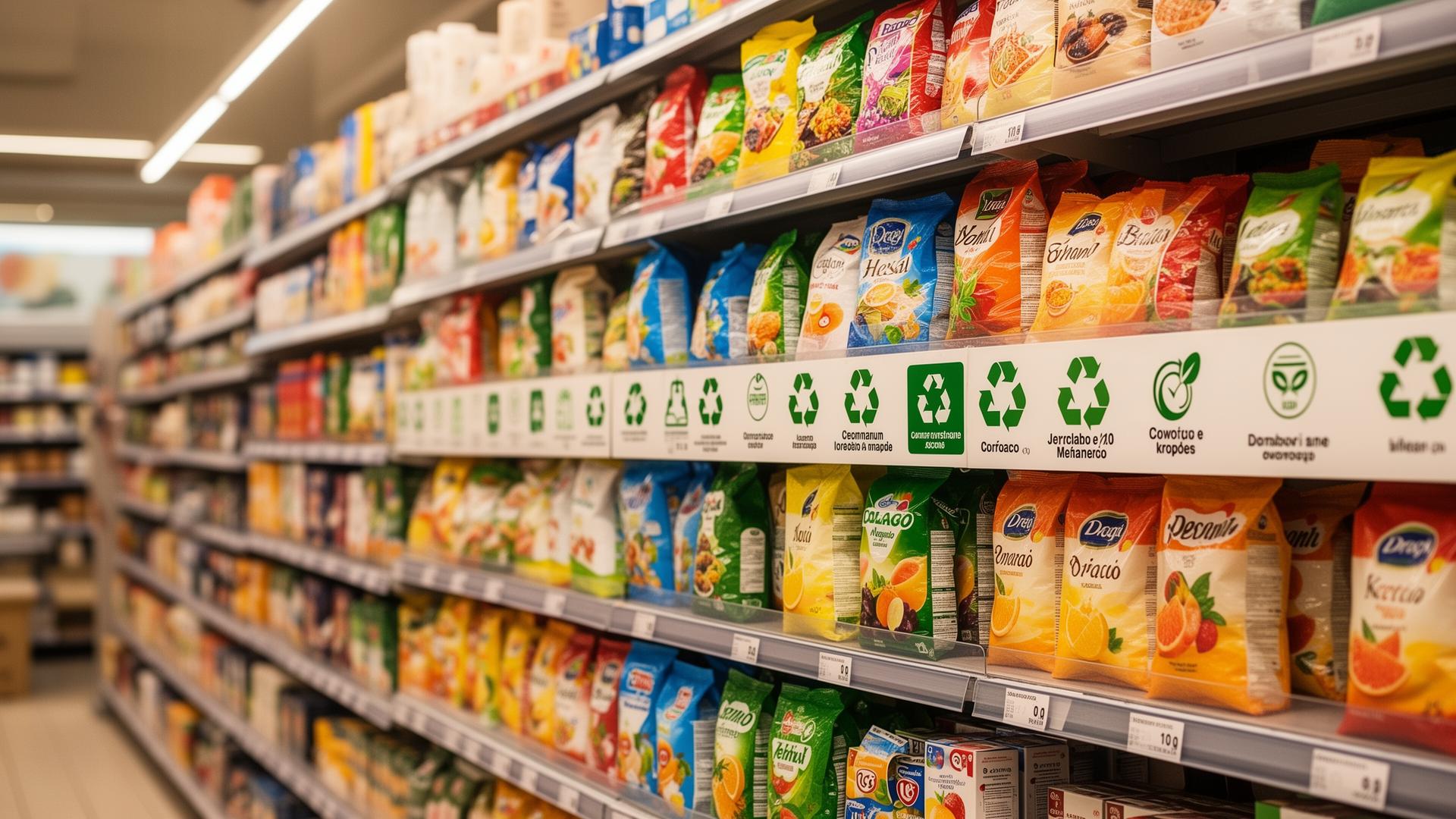
Across France, Italy, Spain, the Netherlands, and the new US state programmes, eco-modulation factors have moved from a 10–20% spread to ranges of 50% or more between best- and worst-performing materials. A multilayer pouch and a recyclable mono-PE film carrying the same product can now sit at fee multiples of 2–3x — and that delta lands directly in cost of goods.
The implication is structural: packaging design choices that used to be evaluated only on cost-per-unit and barrier performance now carry a measurable regulatory cost that compounds across every market. Brands without the data to model that cost are flying blind into procurement decisions worth millions.
Why eco-modulation is hard without software
The mechanics are conceptually simple — declare your weights and material categories, multiply by the modulated rate, pay the PRO. The reality is that every jurisdiction defines categories differently, recyclability classifications change annually, bonuses and maluses interact, and the underlying SKU data is usually scattered across brand teams, contract manufacturers, and supplier emails.
Producers who try to model eco-modulation in spreadsheets typically end up with one of two failure modes: they freeze the model and miss regulatory updates, or they keep updating it and the model breaks under its own complexity. Either way the answer they take into a redesign meeting is stale.
Packgine.ai treats the rule set as a versioned, machine-readable artefact. When France updates its modulation factors or California publishes a new recyclability list, the platform recomputes every SKU's fee position automatically and flags the redesign opportunities that have just become economic.
The redesign loop Packgine enables
The most powerful workflow in Packgine.ai is the design simulator. A packaging engineer can take an existing SKU, swap a component — flexible film, closure, label, secondary carton — and instantly see the fee impact across every market the SKU sells into, alongside the carbon and recyclability impact. What used to require a cross-functional working group and a four-week analysis becomes a five-minute exploration.
When the simulator is wired into procurement and R&D workflows, eco-modulation stops being a tax and becomes a design constraint that the organisation can actually optimise against. We've seen brand teams rank redesign candidates by fee-saved-per-euro-of-tooling-investment and prioritise capex accordingly — a level of rigour that simply isn't possible without unified data.
Quantifying the market value
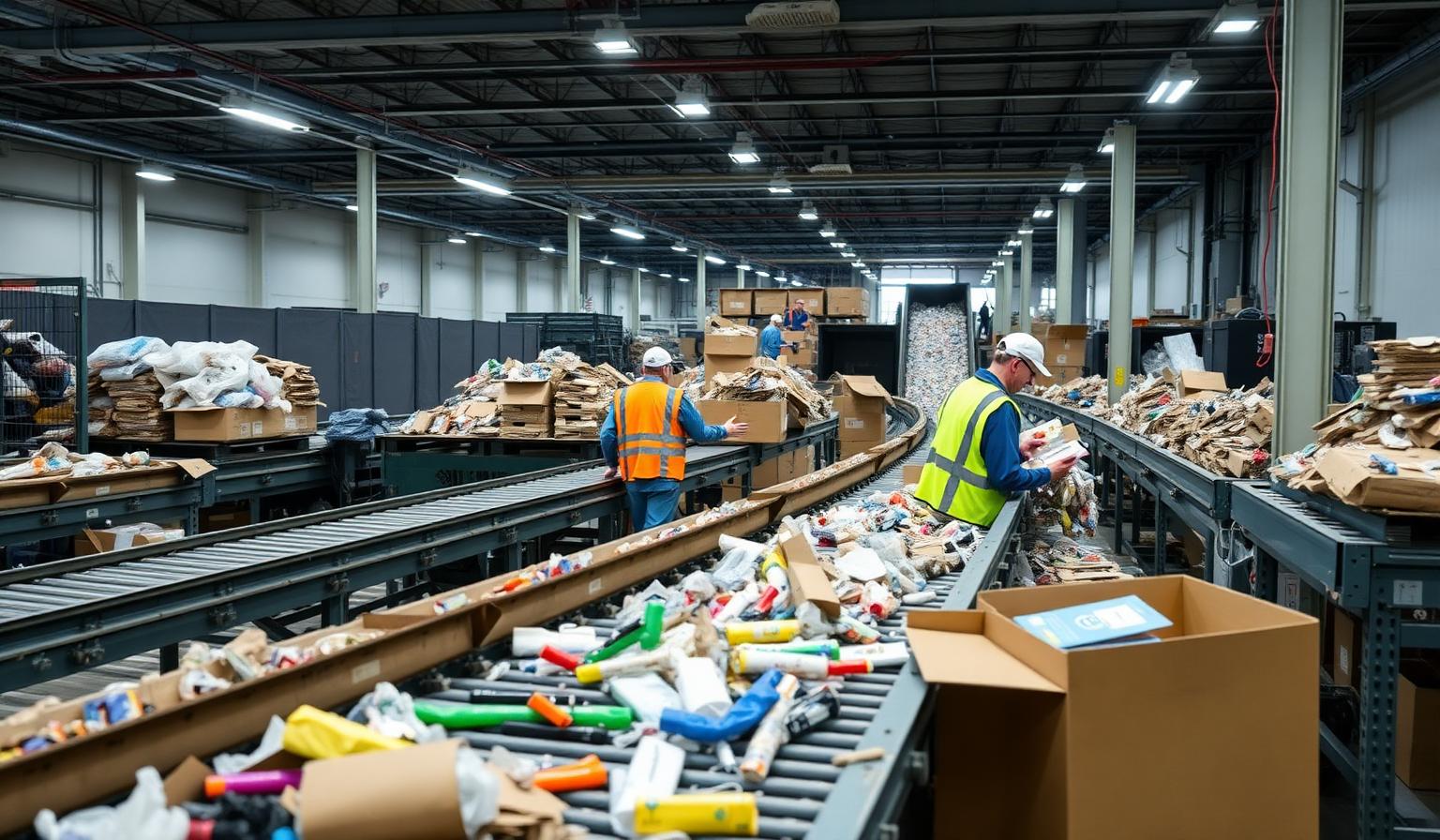
For a producer placing 25,000 tonnes of packaging on EU markets annually, a 15% reduction in average modulated rate — well within reach for portfolios that have not yet been optimised — translates into single-digit-million-euro annual savings. The same producer typically pays Packgine in the low six figures. The ROI math is not subtle.
Beyond the direct fee saving, eco-modulation optimisation reduces exposure to future rate increases. Regulators across the EU have signalled that the fee delta between best and worst performers will continue to widen. Producers who lock in recyclable, mono-material designs now are insulating themselves from a cost trajectory that competitors will be exposed to for years.
Where to start
Begin with a portfolio scan. Packgine.ai can ingest a SKU master file and produce a ranked list of fee-reduction opportunities within a few days of onboarding. The top decile of opportunities almost always justifies the platform investment on its own, and the rest provides a multi-year roadmap of compounding savings.
If you're evaluating eco-modulation strategy, we'd be glad to compare notes on what's working at peer producers. Reach out at sales@gcurv.com or explore the Packgine.ai resource library.
Deeper dives on adjacent topics
We curate independent perspectives that complement this article. The links below point to detailed analyses on packgine.ai — a sister source for packaging compliance, EPR, PPWR, and circularity.